

Parenting can be a joyful experience, but it’s not without its challenges—especially when children seem to constantly misbehave, ignore instructions, or act mischievously. These behaviors can create stress and confusion for parents trying to find effective ways to guide their children. This is where Applied Behavior Analysis (ABA) can be a game-changer. ABA is a scientifically proven method that helps parents understand and modify their child’s behavior. By using principles of reinforcement, it empowers parents to teach positive behaviors while reducing negative ones. Here’s how ABA can help parents deal with common issues like misbehavior and not listening: By working closely with an ABA professional, parents can gain valuable tools and strategies to help their children behave better, listen more, and build a more positive, cooperative relationship. With time and consistency, ABA can transform challenging behaviors into opportunities for growth and learning. At Brainbox Center for Child Development, we offer personalized ABA programs designed to support both children and their parents. Reach out to us today to learn how we can help make your parenting journey smoother and more rewarding.
How Cognitive Therapy Can Help Your Child Achieve Academic Success
As a parent, you want the best for your child, especially when it comes to their education. You may have noticed that sometimes, despite their intelligence and hard work, they struggle with school. This is where cognitive therapy can make a significant difference. Let’s explore how this approach can support your child’s academic journey, all while maintaining a friendly and reassuring tone. Understanding Cognitive Therapy Cognitive therapy, or cognitive-behavioral therapy (CBT), is a type of psychological treatment that helps individuals understand the connection between their thoughts, feelings, and behaviors. It’s based on the idea that negative thought patterns can lead to emotional distress and unhelpful behaviors, which can hinder academic performance. Key Benefits of Cognitive Therapy for Academic Success How to Support Your Child in This Journey If you think cognitive therapy could benefit your child, here are some steps you can take: Conclusion Cognitive therapy can be a powerful ally in your child’s academic success. By fostering a positive mindset, improving focus, and teaching resilience, it equips them with the tools they need to thrive in school and beyond. As a mother, your support and encouragement can make all the difference in their journey. Remember, it’s never too late to seek help, and every step taken is a step toward a brighter future. Embrace this journey together, and watch your child flourish academically and emotionally!

How Behavioral Intervention Improves Academic Performance
In the realm of education, understanding how to support students in achieving their academic goals is paramount. One effective approach that has gained traction is behavioral intervention, particularly through the techniques and methods of Applied Behavioral Analysis (ABA). This blog explores how behavioral interventions can enhance academic performance, the techniques involved, and their impact on students’ success in school. The Connection Between Behavioral Intervention and Academic Performance Behavioral intervention focuses on modifying specific behaviors to improve learning outcomes. By addressing behaviors that hinder academic success and reinforcing positive behaviors, educators can create an environment conducive to learning. This approach is particularly beneficial for students who struggle with attention, motivation, and self-regulation. Techniques and Methods of Applied Behavioral Analysis Applied Behavioral Analysis (ABA) is a systematic approach that utilizes various techniques to bring about meaningful changes in behavior. Here are some key methods used in ABA that can significantly improve academic performance: 1. Positive ReinforcementDescription: This technique involves rewarding desired behaviors to increase their occurrence. For example, a student may receive praise or tangible rewards for completing assignments on time.Impact:Positive reinforcement encourages students to engage in productive behaviors, fostering a sense of accomplishment and motivation to succeed. 2. Task AnalysisDescription: Task analysis breaks down complex tasks into smaller, manageable steps. This method helps students understand the process required to complete assignments or projects.Impact: By simplifying tasks, students are less likely to feel overwhelmed, leading to improved focus and completion rates. 3. ModelingDescription: In this technique, educators demonstrate desired behaviors or skills for students to observe and imitate. For instance, a teacher might model effective study strategies.Impact: Students learn by example, which can enhance their understanding of how to approach academic challenges. 4. PromptingDescription: Prompts are cues or hints provided to guide students toward the desired behavior. These can be verbal, visual, or physical prompts.Impact: Effective prompting helps students remember what to do and encourages them to stay on task, ultimately improving their academic performance. 5. Behavior ContractsDescription: A behavior contract is a written agreement between the student and teacher outlining expected behaviors and the consequences for meeting or failing to meet those expectations.Impact: This technique promotes accountability and encourages students to take ownership of their behaviors, leading to improved academic engagement. How Behavioral Intervention Relates to Achieving Academic Success The relationship between behavioral intervention and academic performance is evident. By implementing ABA techniques, educators can create a structured environment that fosters learning. Here’s how behavioral interventions contribute to academic success: 1. Increased Engagement – Behavioral interventions promote active participation in class. When students are engaged, they are more likely to absorb information and perform well academically. 2. Improved Self-RegulationTechniques like positive reinforcement and prompting help students develop self-regulation skills. As they learn to manage their behavior, they can focus better on their studies, leading to higher grades. 3. Enhanced MotivationBy recognizing and rewarding positive behaviors, students become more motivated to excel academically. This intrinsic motivation drives them to set and achieve academic goals. 4. Reduction of Disruptive BehaviorsBehavioral interventions target and minimize disruptive behaviors that can hinder learning. With fewer distractions, both students and teachers can focus on the educational process. 5. Tailored SupportABA techniques allow for individualized interventions that cater to each student’s unique needs. This personalized approach ensures that students receive the support necessary to thrive academically. Behavioral intervention, particularly through the methods of Applied Behavioral Analysis, offers a powerful framework for enhancing academic performance. By implementing techniques such as positive reinforcement, task analysis, and prompting, educators can create a supportive learning environment that fosters student success. As students engage more actively in their learning and develop essential self-regulation skills, they are better equipped to achieve their academic goals. Embracing behavioral interventions not only improves grades but also cultivates a positive attitude toward learning, setting the stage for lifelong educational success.

How Improvement in Memory Affects Academic Performance
In today’s fast-paced educational landscape, students are continually seeking ways to enhance their academic performance. One crucial factor that significantly influences a student’s ability to succeed is memory. This blog explores how improvements in memory can have a profound effect on academic performance, the benefits of enhanced memory, and how it relates to achieving school grades. The Connection Between Memory and Academic Performance Memory serves as the foundation for learning. It allows students to retain and recall information, making it essential for understanding complex concepts and performing well on tests. When students have strong memory skills, they can absorb new information more effectively and retrieve it when needed, leading to improved academic outcomes. Benefits of Improved Memory 1. Enhanced Learning AbilitiesImproved memory enables students to grasp new concepts quickly and retain information longer. This leads to a deeper understanding of subjects, facilitating better performance in class and on assignments. 2. Increased Concentration and FocusMemory training often enhances a student’s ability to concentrate. With a sharper focus, students can engage more fully in lessons, participate actively in discussions, and complete tasks more efficiently. 3. Boosted Confidence and Self-EsteemAs students experience success due to improved memory, their confidence grows. This self-assurance encourages them to tackle challenges head-on, fostering a positive attitude toward learning and school. 4. Better Problem-Solving SkillsA strong memory allows students to draw from past experiences and knowledge when faced with new problems. This ability to connect dots enhances critical thinking and problem-solving skills, which are vital in academic settings. 5. Improved Study HabitsStudents with better memory skills often develop more effective study habits. They can create associations and use mnemonic devices, making their study sessions more productive and efficient. How Improved Memory Relates to Achieving School Grades The relationship between memory and academic performance is clear. Students who invest time in improving their memory skills often see a direct correlation with their grades. Here’s how: 1. Retention of InformationImproved memory means that students can retain more information from their lessons. This retention is crucial for success in quizzes, tests, and exams, where recall is necessary. 2. Effective Learning TechniquesStudents with strong memory skills are more likely to employ effective learning techniques such as summarization, visualization, and self-testing. These strategies not only enhance understanding but also lead to higher grades. 3. Consistent PerformanceA well-developed memory contributes to consistent academic performance. Students can rely on their memory to perform well across various subjects, leading to overall better grades. 4. Time ManagementWith improved memory, students can manage their time better during study sessions. They can quickly recall what they’ve learned, allowing them to focus on areas that need more attention, ultimately leading to more effective studying and better grades. 5. Positive Feedback LoopAs students see improvements in their grades due to better memory, they become more motivated to continue enhancing their memory skills. This creates a positive feedback loop where success breeds further success.Improving memory is a powerful tool for students aiming to enhance their academic performance. The benefits of a strong memory extend beyond just better grades; they encompass enhanced learning abilities, increased concentration, and boosted confidence. By recognizing the vital connection between memory and academic success, students can take proactive steps to develop their memory skills, paving the way for a brighter academic future. Investing time in memory training and employing effective study strategies can help students unlock their full potential, leading to improved grades and a successful educational journey.
Preventing Digital Dementia: Strategies for Parents to Protect Children
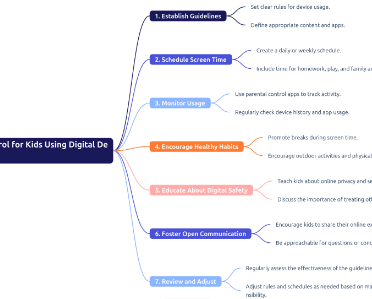
To mitigate the onset of digital dementia in children, parents can adopt several strategies, focusing particularly on cognitive training. Here are some steps to consider: 1. Encourage Cognitive Training Activities 2. Limit Screen Time 3. Promote Active Learning 4. Encourage Physical Activity 5. Foster Social Interaction 6. Model Healthy Digital Habits 7. Monitor Content Consumption By implementing these strategies, parents can help prevent digital dementia and support their children’s cognitive development in a balanced manner.

Dangers Of Excessive Screen Time
In our hyper-connected world, the convenience of technology often comes at a hidden cost: our cognitive health. Digital dementia, a term coined by neuro-scientist Manfred Spitzer, refers to the cognitive decline that arises from our over-reliance on digital devices. As we increasingly depend on smartphones and computers for information, navigation, and memory, we risk impairing our brain’s natural ability to remember and think critically. The Impact on Memory One of the most significant dangers of digital dementia is its effect on memory. With information just a click away, we often forgo the mental effort required to remember facts, names, and directions. This reliance can lead to a decrease in our memory capacity and retention, making it harder to recall even simple information without digital assistance. Reduced Attention Span Digital devices also contribute to shorter attention spans. The constant notifications and the allure of social media can fragment our focus, making it challenging to engage deeply with tasks or conversations. This scattered attention not only affects our productivity but also hampers our ability to think critically and creatively. Social Isolation While technology connects us in many ways, it can also lead to social isolation. The more time we spend on screens, the less time we engage in face-to-face interactions. This lack of real-world socialization can affect our emotional well-being and cognitive function, as human connections are vital for brain health. To combat digital dementia, it’s essential to cultivate a balanced relationship with technology. Here are some strategies: In conclusion, while technology offers undeniable benefits, it’s crucial to remain aware of its potential dangers. By taking proactive steps to safeguard our cognitive health, we can enjoy the advantages of the digital age without falling prey to digital dementia.
Winter Camp: Brain Training for Academic Success!
This winter, give your child the gift of learning and fun at our Winter Camp! From December 22, 2024, onward we invite children aged 5 to 12 years old to join us for an engaging program designed to enhance their academic skills while enjoying exciting activities. Our camp runs from Sunday to Thursday from 9 AM to 3 PM , providing a perfect blend of education and adventure. Brain Training: Your Shortcut to Academic Success! At Brainbox, we believe that every child has the potential to excel academically. Our winter camp focuses on Brain Training, which serves as a shortcut to academic success by improving key skills essential for learning: Enhance Academic Improvement Our program is designed to support academic improvement in core subjects: With our targeted activities, your child will leave the camp with enhanced skills that will benefit them throughout their educational journey. Exciting Field Trips To make learning even more enjoyable, we have planned thrilling field trips that will provide fun adventures, including: These outings will not only enrich your child’s experience but also promote teamwork and social skills. Free Cognitive Assessment As part of our commitment to your child’s development, we offer a free cognitive assessment .This assessment measures: This valuable insight will help us tailor our approach to meet your child’s unique needs. Pricing and Contact Information To enroll your child or for more information, Don’t miss out on this opportunity for your child to thrive academically while having a blast! Sign up today and watch them shine this winter!

The Power Of Behavioral Intervention
Behavioral intervention is a powerful approach that focuses on modifying specific behaviors through systematic techniques and strategies. At its core, it involves identifying the underlying causes of certain behaviors and implementing targeted interventions to encourage positive change. This method is not just a theoretical concept; it has practical applications across various fields, including education, healthcare, and mental health. Why does behavioral intervention matter? The answer lies in its proven effectiveness in fostering lasting change. By addressing behaviors directly, we can see significant improvements in individual outcomes—whether it’s helping children with learning difficulties develop better study habits or assisting individuals struggling with addiction to adopt healthier lifestyles. Behavioral interventions empower individuals by providing them with the tools they need to succeed. Moreover, this approach is backed by extensive research that highlights its impact on community well-being. When we invest in behavioral interventions, we are not only enhancing individual lives but also contributing to the overall health of society. In a world where challenges abound, understanding and implementing behavioral intervention can lead to transformative results that matter deeply for everyone involved.

We Help Children Who Experience Anger And Tantrums
How ABA Therapy Can Help Children Manage Anger and Tantrums ? Children often experience overwhelming emotions like anger, which can lead to tantrums or other challenging behaviors. For many parents, this can be stressful and difficult to manage. Applied Behavior Analysis (ABA) therapy offers a structured and effective approach to help children develop better ways of handling their emotions. Understanding the Root of Tantrums and Anger Tantrums and anger are often a form of communication, especially for children who may not have the verbal skills to express their needs or frustrations. ABA therapy focuses on identifying the triggers that cause these outbursts. Whether it’s frustration over a task, difficulty communicating, or sensory overload, ABA looks at what happens before, during, and after the behavior. Teaching New, Positive Behaviors Once the triggers are understood, ABA therapists work with the child to teach new, positive behaviors that replace the anger and tantrums. For example, if a child throws a tantrum when they can’t communicate a need, ABA will focus on teaching communication strategies—like using words, pictures, or gestures. As the child learns to express themselves in healthier ways, the tantrums often decrease. Building Emotional Regulation Skills ABA also helps children learn how to regulate their emotions. This might include teaching techniques like deep breathing, counting, or taking a break when they feel overwhelmed. Over time, these strategies empower children to manage their anger and frustration before it leads to a meltdown. Reinforcing Positive Behavior A key part of ABA is positive reinforcement. When a child uses a positive strategy instead of having a tantrum, they receive praise or a reward. This reinforcement helps them understand that calm behavior leads to positive outcomes, making it more likely they’ll use these new skills in the future. Supporting Parents and Caregivers ABA therapy doesn’t just benefit the child; it also provides valuable tools for parents and caregivers. By learning how to handle challenging behaviors with consistency and patience, parents can feel more confident in helping their child manage emotions. In summary, ABA therapy is a powerful tool for helping children who struggle with anger and tantrums. By understanding the root cause of the behaviors, teaching new skills, and reinforcing positive actions, ABA paves the way for lasting emotional growth and a calmer, happier future for both children and their families.

Boosting Creativity in Children: A Fun Home Exercise
It is a long established fact reader will be distracted by the readable content of a page when looking.